
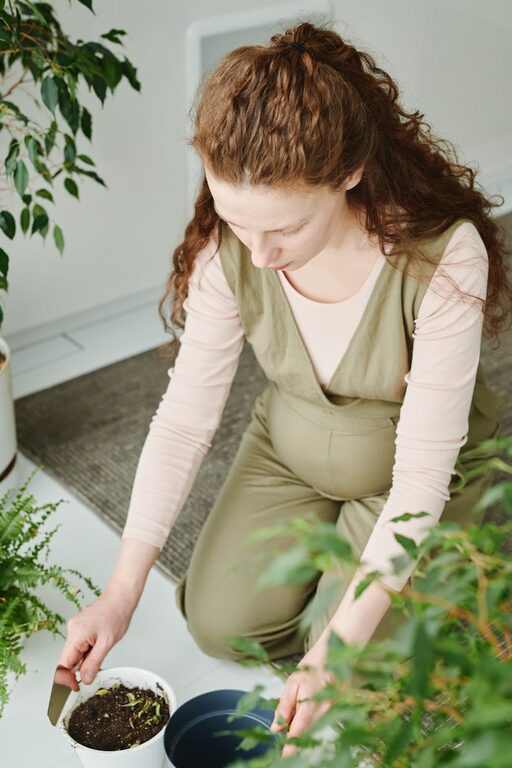
Bringing houseplants into your home is a wonderful way to add life, color, and freshness to your living space. However, keeping them healthy requires a bit of knowledge and care. Whether you’re a beginner or a seasoned green thumb, these practical tips will help you nurture your plants and ensure they thrive.
Understanding Your Plant’s Needs
Each plant species has unique care requirements. Understanding these basics is key to success.
Know Your Plant Type
– Light: Some plants thrive in bright, indirect sunlight, while others prefer low-light conditions.
– Water: Overwatering is a common mistake. Some plants like consistent moisture; others prefer to dry out between watering.
– Humidity: Tropical plants often need higher humidity, while succulents prefer dry air.
Take time to research the specific needs of your houseplants, either from the plant label, care guides, or reliable online sources.
Proper Lighting: The Foundation of Healthy Growth
Light is crucial for photosynthesis, which fuels plant growth.
Tips for Lighting
– Place plants that need bright light near windows with southern or eastern exposure.
– For shade-tolerant plants, north-facing windows or spots away from direct sunlight work well.
– Rotate your plants every week so all sides receive equal light, promoting even growth.
– Consider supplementing natural light with grow lights during darker months, especially in winter.
Watering Wisely: Find the Right Balance
Watering is often the trickiest part of plant care.
How to Water Correctly
– Check the soil moisture before watering by sticking your finger about an inch in. If it feels dry, it’s time to water.
– Use room-temperature water for best results.
– Water thoroughly until water drains from the bottom of the pot, ensuring roots get hydrated.
– Avoid letting plants sit in standing water as it can cause root rot.
– Adjust watering frequency based on the season; plants usually need less water in winter.
Soil and Potting: The Foundation for Healthy Roots
Good soil and the right pot ensure proper drainage and nutrient availability.
Soil Tips
– Use a potting mix suitable for your plant type; for example, cacti need gritty, porous soil.
– Avoid using garden soil, which may compact and hinder drainage.
– Repot plants every 1-2 years or when roots become crowded, refreshing the soil and providing room to grow.
Choosing the Right Pot
– Make sure your pot has drainage holes to prevent excess water accumulation.
– Select a pot size slightly larger than the root ball, too big a pot can retain too much water.
Feeding Your Plants: Fertilizing for Growth
Plants need nutrients to stay healthy and grow well.
Fertilizing Guidelines
– Use a balanced, water-soluble fertilizer or one tailored for your plant type.
– Follow the instructions on the package and avoid over-fertilizing as it can burn roots.
– Fertilize during the active growing season (usually spring and summer) and reduce or stop feeding in fall and winter.
Managing Humidity and Temperature
Most houseplants prefer stable, moderate temperatures and humidity levels.
Tips for Humidity and Temperature
– Keep plants away from cold drafts, air conditioners, or heaters.
– Increase humidity with a humidifier, pebble trays filled with water, or by grouping plants together.
– Misting leaves can temporarily raise humidity but is not a substitute for consistent humidity levels.
Keeping Pests and Diseases at Bay
Healthy plants are less prone to pests, but problems can still arise.
Common Pests and How to Prevent Them
– Inspect plants regularly for signs of pests such as aphids, spider mites, or mealybugs.
– Wipe leaves with a damp cloth to remove dust and deter pests.
– Use natural remedies like neem oil or insecticidal soap if pests appear.
– Quarantine new plants before adding them to your collection to prevent spreading pests.
Additional Tips for Thriving Houseplants
– Prune dead or yellowing leaves to encourage new growth.
– Clean your plants’ leaves occasionally to improve photosynthesis.
– Use stakes or supports for plants that grow tall or vine aggressively.
– Observe your plants daily to catch any signs of distress early.
Conclusion
Keeping houseplants healthy may seem daunting at first, but with consistent care and attention, it becomes an enjoyable and rewarding part of your routine. Learn about your plants’ specific needs, provide proper lighting and watering, and watch your indoor garden flourish. Happy planting!