
Lighting plays a vital role in shaping the atmosphere and functionality of your home. Whether you’re reading a book, hosting guests, or relaxing after a long day, comfortable lighting can make all the difference. Choosing the right lighting isn’t just about brightness; it’s about finding the perfect balance to suit your space, needs, and style. This guide will walk you through practical tips to select comfortable home lighting that elevates your living environment.
Understanding the Basics of Home Lighting
Before diving into specific tips, it’s useful to understand the three main types of home lighting:
– Ambient lighting: The general, overall light that fills a room.
– Task lighting: Focused light for specific activities like reading or cooking.
– Accent lighting: Highlights particular features like artwork or architectural details.
A comfortable lighting setup usually combines these types to create layers that can be adjusted according to mood and need.
Tip 1: Consider the Room’s Purpose
Every room in your home serves a unique purpose, and your lighting should reflect that.
– Living rooms and bedrooms: Opt for soft, warm lights that encourage relaxation. Dimmable fixtures allow flexibility.
– Kitchens and home offices: Brighter, cooler lights improve focus and visibility.
– Bathrooms: Balanced lighting that minimizes shadows is best for grooming.
Evaluating your daily activities in each room helps in choosing the right brightness and color temperature.
Tip 2: Choose the Right Color Temperature
Color temperature is measured in Kelvins (K). It affects the feel of the space.
– Warm light (2700K–3000K): Creates a cozy and inviting atmosphere, ideal for living rooms and bedrooms.
– Neutral light (3500K–4100K): Suitable for kitchens and workspaces where clarity matters.
– Cool light (5000K–6500K): Mimics daylight, best for detailed tasks but can feel harsh if overused at home.
Aim for a warm to neutral temperature in most living spaces to maintain comfort and avoid eye strain.
Tip 3: Use Layered Lighting
Layering different types of lighting ensures your room is well-lit and versatile.
– Start with ambient lighting for overall illumination.
– Add task lighting where you need focused light, such as desk lamps, under-cabinet lights, or reading lamps.
– Incorporate accent lighting to highlight décor or architectural features, using spotlights or wall sconces.
This layering approach allows you to adjust lighting levels based on activity or mood.
Tip 4: Pay Attention to Light Fixtures and Bulbs
Your choice of fixtures and bulbs influences both comfort and style.
– LED bulbs: Energy efficient, long-lasting, and available in various color temperatures.
– Dimmable bulbs: Essential for adjusting brightness throughout the day.
– Fixtures with diffusers or shades: Help soften light and reduce glare.
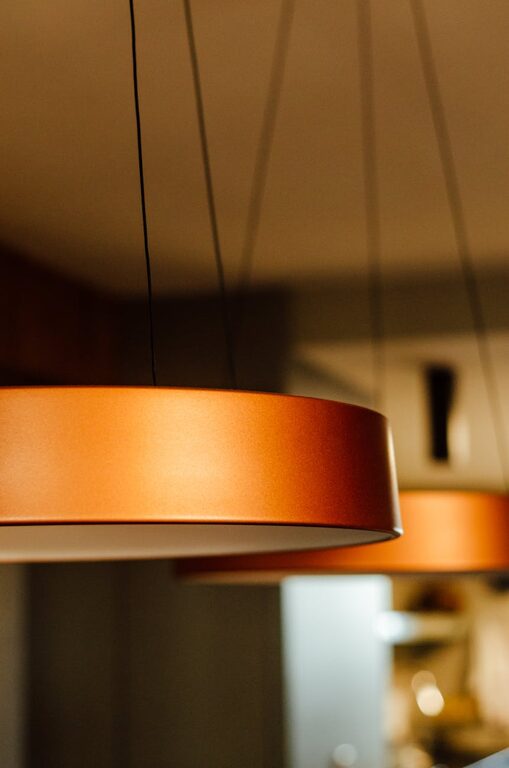
Select fixtures that complement your interior design while providing the right function. For example, pendant lights are popular over dining tables, while recessed lights offer unobtrusive ambient lighting.
Tip 5: Maximize Natural Light
Natural light is the most comfortable and healthful source available.
– Keep windows unobstructed by heavy curtains during the day.
– Use light-colored or reflective surfaces to bounce sunlight deeper into your rooms.
– Consider sheer curtains or blinds that allow light while preserving privacy.
Incorporating natural light reduces reliance on artificial lighting and enhances the overall comfort of your space.
Tip 6: Control Glare and Shadows
Glare and harsh shadows can cause discomfort and eye strain.
– Use diffusers or frosted bulbs to soften harsh light.
– Position lighting fixtures so they don’t shine directly into your eyes or reflective surfaces like screens.
– Place task lighting strategically to avoid casting shadows on your work area.
Thoughtful placement and fixture choice create a more pleasant lighting environment.
Tip 7: Implement Smart Lighting Solutions
Smart lighting systems offer convenience and customization to improve comfort.
– Adjust brightness and color temperature with a smartphone or voice commands.
– Set schedules to mimic natural daylight patterns.
– Create preset scenes for different activities like reading, cooking, or relaxing.
Smart bulbs and controls enhance flexibility, making it simpler to maintain comfortable lighting all day long.
Tip 8: Test Before Committing
Before buying multiple fixtures or bulbs, test lighting options in the actual room.
– Purchase a single bulb or fixture first.
– Observe how it looks in different parts of the day and from various angles.
– Consider whether the light suits your desired mood and function.
Testing helps avoid costly mistakes and ensures your home lighting truly feels comfortable.
—
Lighting is more than a practical necessity; it’s a key factor in the comfort and style of your home. By understanding your space, layering your lights, and choosing the right temperature and fixtures, you can create a warm and inviting atmosphere that supports your daily life. Remember to consider natural light, control glare, and embrace smart lighting for an adaptable, comfortable home environment.
With thoughtful choices and a bit of experimentation, you’ll find the perfect lighting setup that makes your house truly feel like home.